Reykjavik Whale Watching Rib
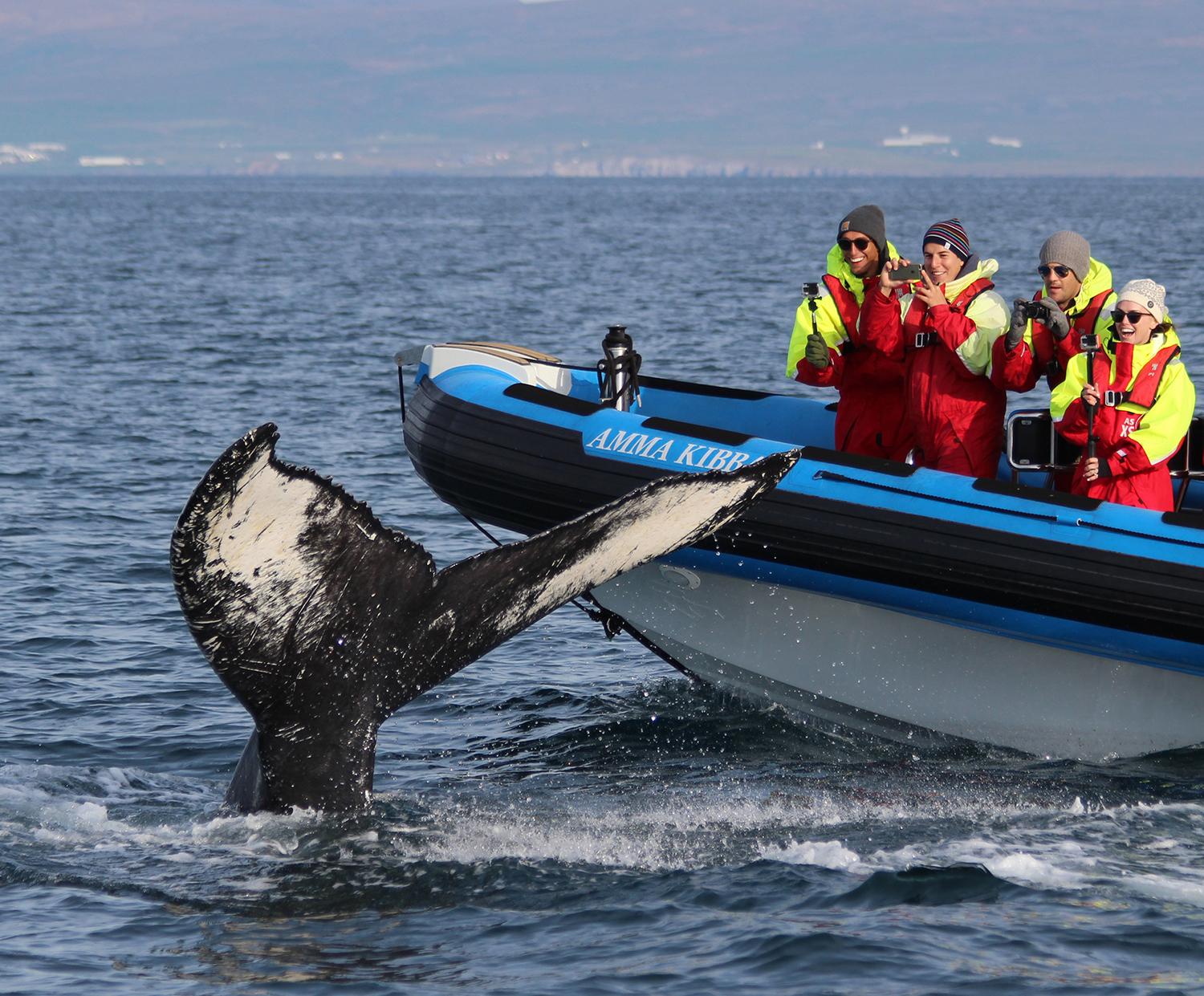
Husavik Whale Watching Speedboat
Tours & tickets

Husavik Whale Watching Speedboat

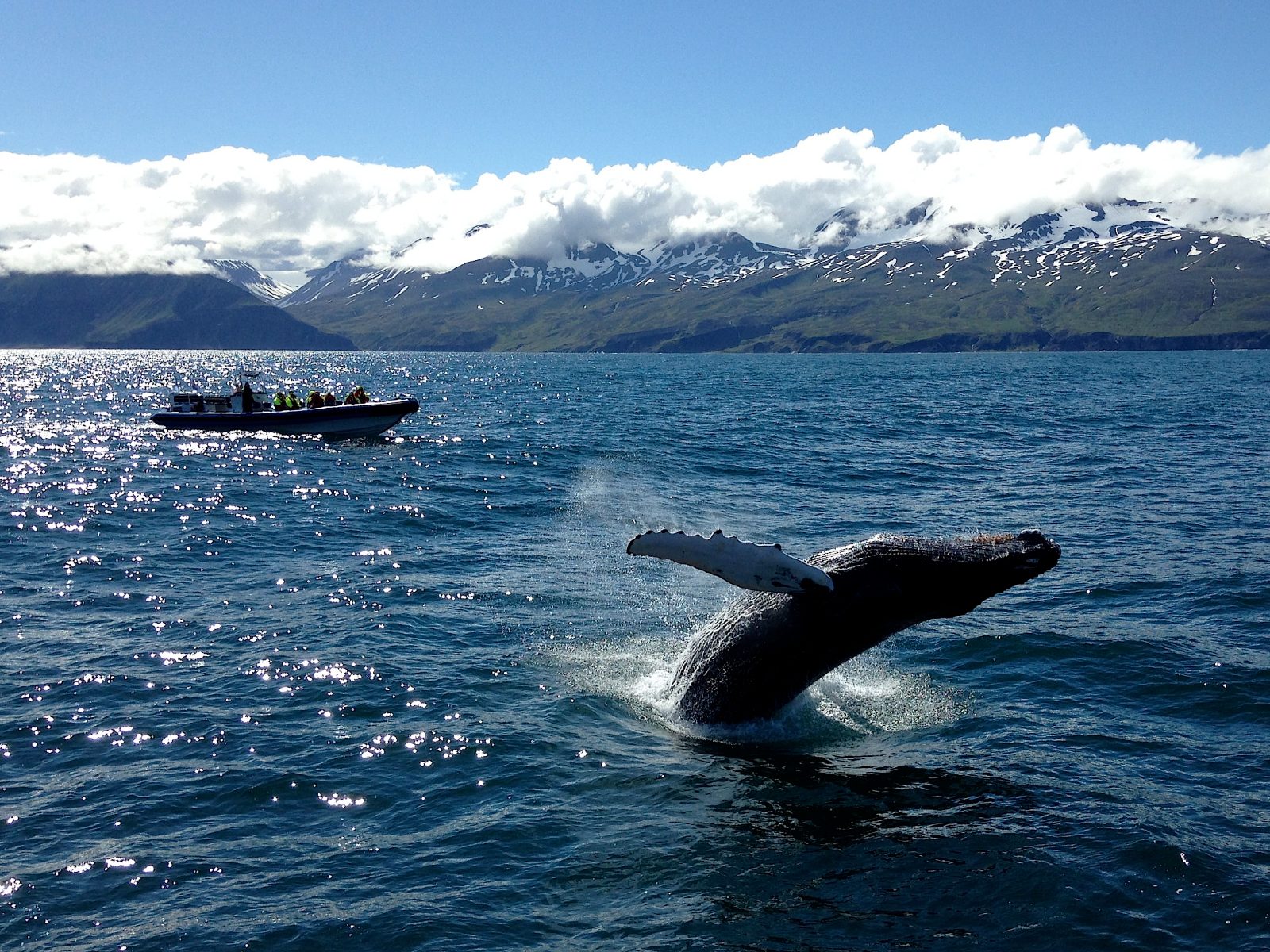
Chase humpbacks across Skjálfandi Bay, where Arctic waters meet Iceland's whale capital

Hand-picked by our editors — only the best 5 experiences from 12 reviewed.

Free cancellation Instant confirmation Mobile voucher Verified partner Skip-the-line
Tickets

Choose your ticket

Verified partners for every tour, free cancellation where available, and instant confirmation on every booking.

Húsavík Big Whale Safari & Puffin Island Speedboat Tour 2 hr
Standard Entry

Húsavík Big Whale Safari & Puffin Island Speedboat Tour

★ 4.7 (1526)
$145
per person
Instant Mobile voucher Flexible — change up to 24h

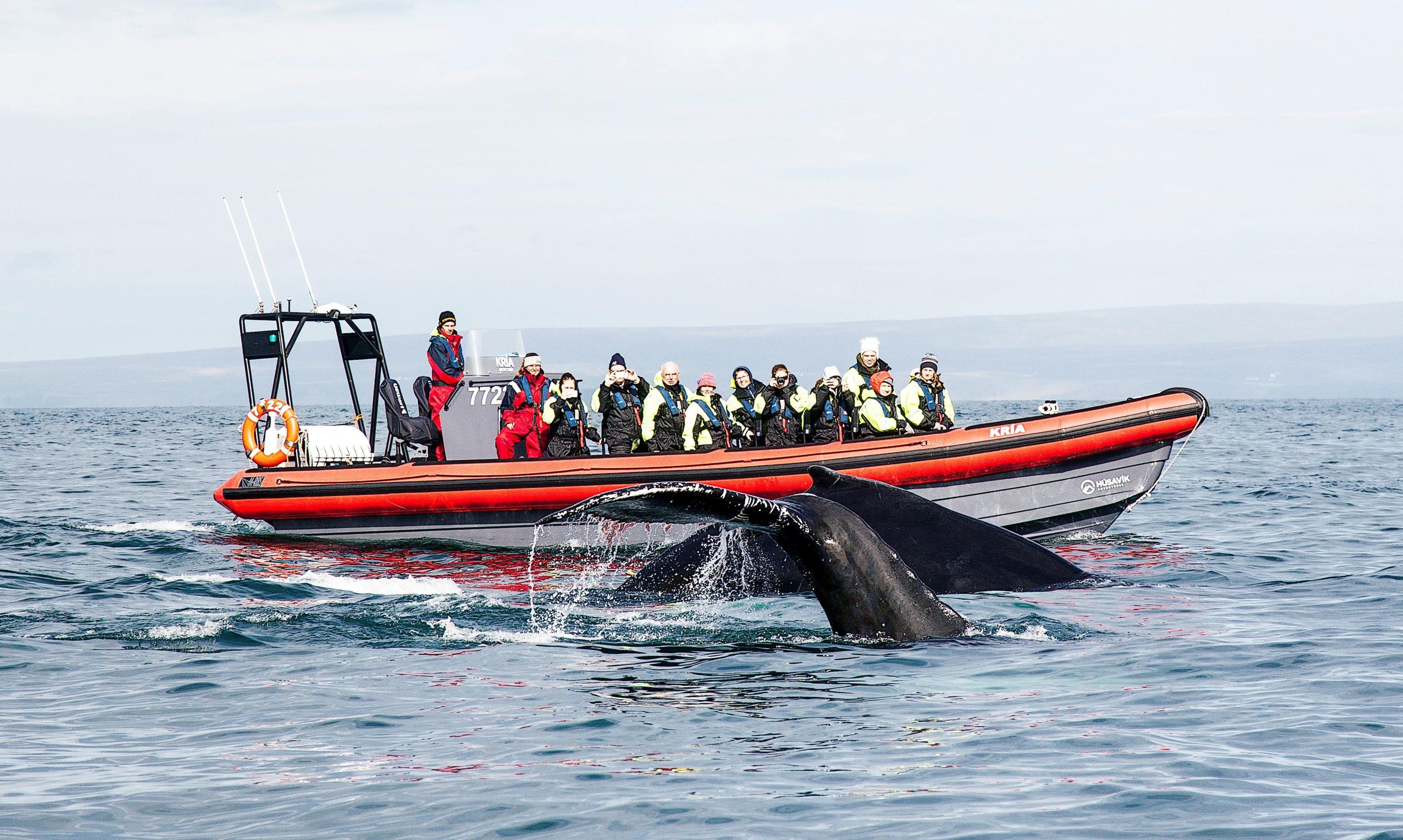
Hunt for humpbacks and blue whales aboard a modern RIB speedboat, then visit a puffin colony on this thrilling 2-hour expedition.

Reserve
Húsavík Whale Watching on Traditional Oak Vessel 3 hr
Standard Entry

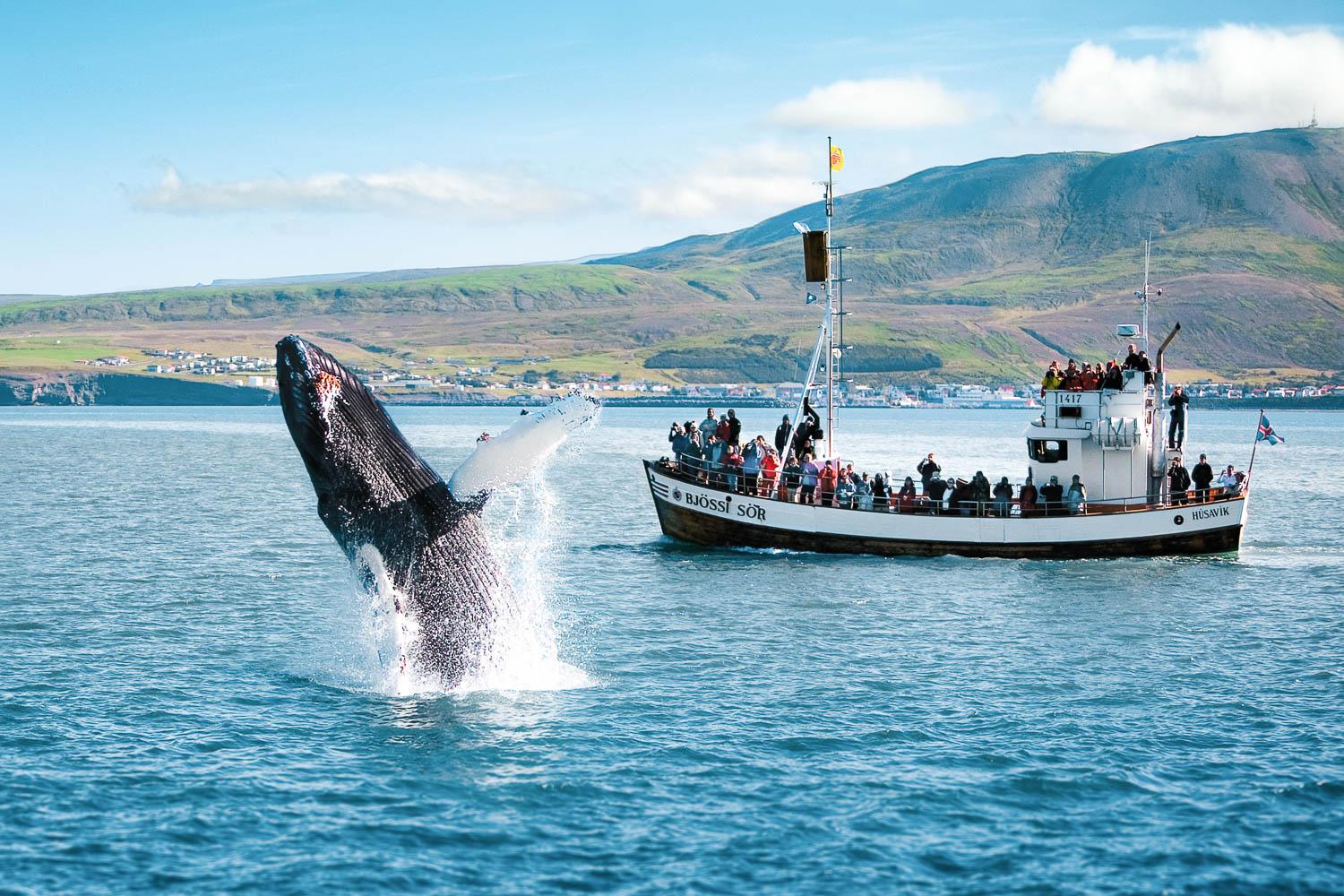
Húsavík Whale Watching on Traditional Oak Vessel

★ 4.6 (3070)
€86
per person
Instant Mobile voucher Flexible — change up to 24h

Sail Skjálfandi Bay aboard an authentic Icelandic oak boat in search of whales, dolphins, and seabirds

Reserve

Prices from verified partners. Availability updates in real time at checkout. Free cancellation policies apply where shown.

Highlights

What you'll see inside the attraction

The landmarks, rooms, and views travelers on this tour remember — all visible on a single visit.

Skjálfandi Bay

The primary marine habitat where humpback and minke whales are frequently spotted during the tour. This bay is world-renowned for its high whale sighting rate.

Puffin Island

A protected nesting site for thousands of puffins during the season. RIB speedboats often pass by this area for excellent wildlife observation.

Húsavík Harbor

The historic starting point for whale watching in Iceland. This active fishing hub offers a picturesque backdrop for your adventure.

It is the center for all logistics and safety briefings.

RIB Speedboat Fleet

High-performance vessels designed for speed and safety to cover more territory in search of marine giants. These boats are the highlight of the husavik whale watching speedboat experience.

Head to head

Húsavík Whale Watching Speedboat vs Traditional Oak Boat — Choosing Your Experience

They complement each other; most visitors who do both call the husavik whale watching speedboat more thrilling due to its agility, while the traditional vessel offers a calmer observation of Skjálfandi Bay marine mammals. Choosing between these husavik whale watching speedboat tours often comes down to your preference for pace versus classic maritime atmosphere.

Feature Top pick Speedboat (RIB) Traditional Oak Boat
Speed
Low
Boat Stability
High (steady)
Visibility
Elevated/deck-based
Group Size
Large (50+ passengers)
Duration
3 hours
Physical Comfort
Seated/indoor access available

Verdict: If you prioritize rapid transit to reach Húsavík landmarks and distant cetaceans, the husavik whale watching speedboat tickets are the superior choice, whereas the oak boat remains better for those seeking extended, relaxed viewing sessions.

How your ticket works

Book your ticket in 3 steps

  1. 01

    Book online

    Choose your ticket, select your date, and reserve in under two minutes. Secure checkout handled by our verified partner.

  2. 02

    Receive your mobile voucher

    Instant confirmation by email, with a mobile voucher you can save offline. No printing, no queuing at a collection desk.

  3. 03

    Show & enter

    Arrive at the entrance, show your voucher on your phone, and walk in. Most tickets include priority or skip-the-line access.

Plan your visit

Everything you need to know before you go

Practical details for your visit straight from our verified partners — hours, access, rules, and how to get there.

Accessibility
Adapted for people with reduced mobility
Arrival
Arrive 40 minutes before departure

Weekly schedule unavailable — check the official site.

Location

Around your visit

Everything else worth knowing

Best time to go, insider tips, nearby landmarks, and the cancellation fine print — flip through to skim what matters to you.

Cancellation policy

Flexible, no hidden fees.

Free cancellation is available up until 24 hours before your scheduled departure. Bookings may be rescheduled online at any time.

About

The place, in context

Húsavík's transformation from herring station to Europe's whale-watching capital began in 1995, when Icelandic biologist Asbjörn Björgvinsson anchored the first commercial observation vessel in Skjálfandi Bay. Within a decade, twenty-three species of cetaceans had been documented in these waters—fifteen of them baleen or toothed whales—and the village's harbor evolved into a year-round staging ground for marine expeditions. The bay's position at the confluence of the cold East Greenland Current and the warmer Irminger Current creates nutrient upwellings that support dense plankton blooms, drawing humpback, minke, and occasional blue whales within two nautical miles of shore. These vessels reach cruising speeds of thirty-five knots, compressing round-trip transit time to under two hours while extending operational range to the bay's outer shelf. The speedboat fleet operates between eight in the morning and five in the afternoon, with staggered departures every ninety minutes during peak summer months. Operators equip passengers with insulated flotation suits and install shock-absorbing jockey seats—a concession to the North Atlantic's year-round chop and the bay's exposure to katabatic winds descending from Vatnajökull ice cap, forty kilometers inland. Lundarskeri and Flatey Island anchor the bay's western flank, their basalt cliffs hosting Atlantic puffin colonies numbering twelve thousand breeding pairs between May and mid-August. Speedboat itineraries allocate twenty minutes for close-range observation, circling the stacks at idle speed to minimize wake disturbance. Whale encounters—logged in ninety-four percent of summer departures and seventy-one percent of winter sailings—concentrate along the bay's hundred-meter depth contour, where sand lance and capelin schools attract feeding cetaceans. Humpback fluking behavior, dorsal fin identification, and blow pattern analysis form the real-time narrative delivered by onboard marine biologists, many of whom contribute sighting data to the Húsavík Research Centre's long-term population studies. The village itself retains the functional architecture of its fishing past: corrugated-iron warehouses converted to cafés, a wooden Lutheran church completed in 1907, and a geothermal district heating system fed by boreholes tapping the Mid-Atlantic Rift's residual magma chambers. Húsavík whale watching speedboat expeditions operate from a marine infrastructure that predates tourism—concrete piers engineered for sixty-ton trawlers, not inflatable craft—and the harbor's working-class aesthetic persists alongside the visitor economy.

"Twenty-three species of cetaceans documented in Skjálfandi Bay since 1995, fifteen of them baleen or toothed whales."
Frequently asked

Frequently asked questions about husavik whale watching speedboat tours

Can I cancel my husavik whale watching speedboat tickets?

Yes, you can receive a full refund with free cancellation up until 24 hours before departure.

What happens if the weather is bad?

In the event of cancellation due to weather, you will receive a full refund or the option to reschedule.

Are there other attractions near the harbor?

Yes, you can visit the Húsavík Whale Museum and GeoSea thermal baths within walking or short driving distance.